
The Parade of the Golden Pharaohs – Egypt's Historic Mummy Procession
Discover the story of the Pharaohs' Golden Parade, the historic 2021 procession that transferred 22 royal mummies through Cairo to the National Museum of Egyptian Civilization, celebrating thousands of years of ancient Egyptian heritage.
Austrian Institute Egypt
July 7, 2026
 History & Heritage
The Parade of the Golden Pharaohs
Few events in recent history have captured the world's attention like the Parade of the Egyptian Mummies.
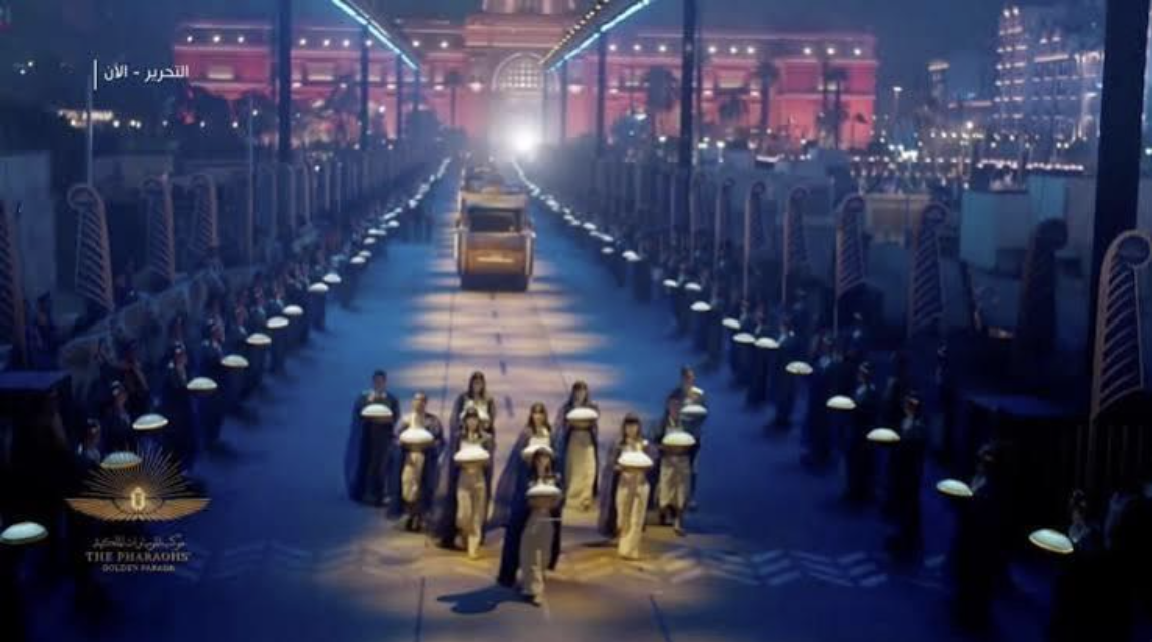
Held in Cairo, this remarkable procession brought together history, culture, and modern artistry in a single unforgettable celebration, transferring some of Ancient Egypt's most legendary rulers to their new resting place.
Whether you are a history enthusiast or simply curious about Egypt's ancient civilization, this event offers a fascinating glimpse into the country's extraordinary heritage.
A Journey Across the City
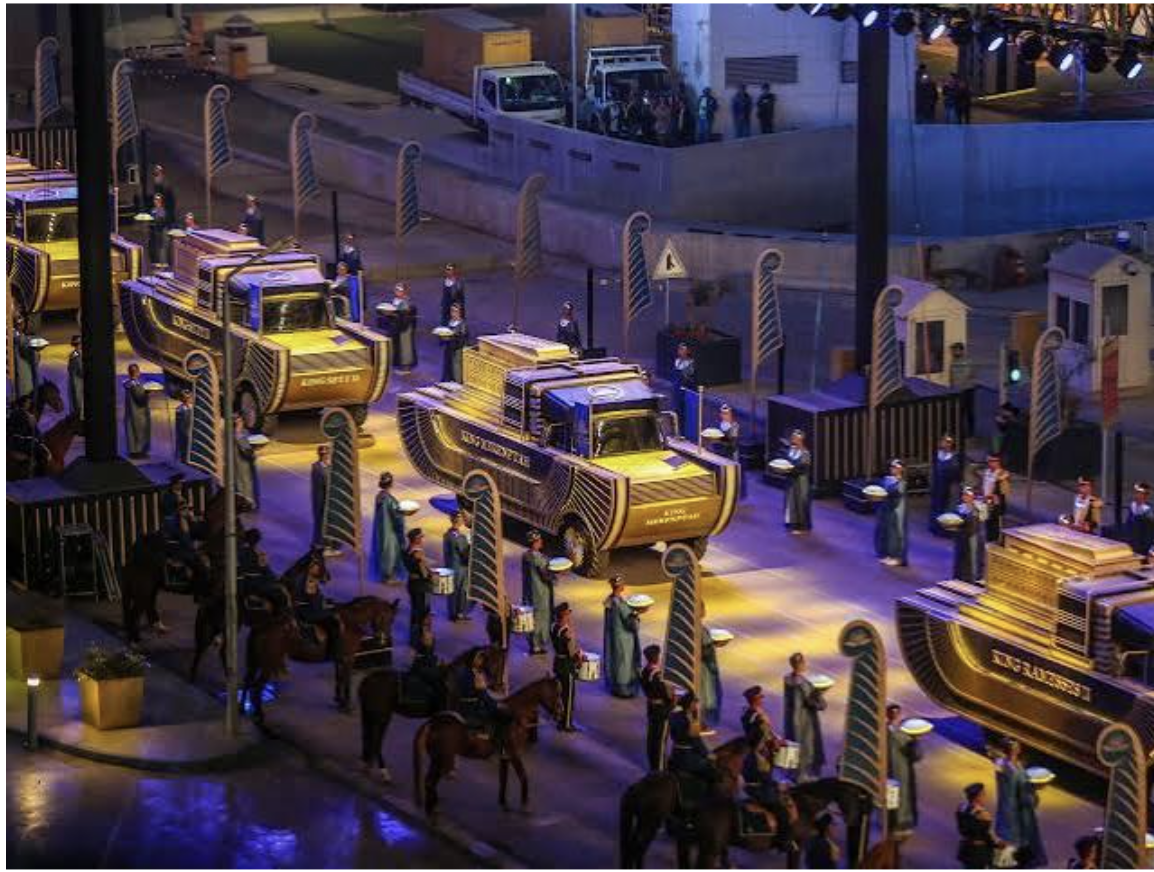
The parade marked the transfer of 22 royal mummies, 18 kings and 4 queens, from the Egyptian Museum in Tahrir Square to the National Museum of Egyptian Civilization in Fustat.
This carefully organized procession was designed not only as a transportation of historical artifacts, but as a tribute to the rulers who shaped one of the world's greatest civilizations thousands of years ago.
The event stands as one of the most significant cultural moments in Egypt's recent history.

What Made the Parade Remarkable
The Parade of the Egyptian Mummies combined ancient history with modern spectacle, featuring:
The transfer of 22 royal mummies, including 18 kings and 4 queens
Legendary rulers such as Ramses II, Seti I, and Thutmose III
Renowned queens including Hatshepsut and Ahmose-Nefertari
Elaborate music and artistic performances
Striking light displays and modern staging
A global audience following the historic event
A celebration of thousands of years of Egyptian civilization
These elements combined to create a cultural moment that resonated with audiences both in Egypt and around the world.
Key Highlights
Royalty on Display
Among the most celebrated figures in the procession were Pharaoh Ramses II, Pharaoh Seti I, and Pharaoh Thutmose III, along with Pharaoh Seqenenre Tao II.
Their presence, alongside renowned queens such as Hatshepsut and Ahmose-Nefertari, offered audiences a rare opportunity to connect with some of the most influential rulers of Ancient Egypt.
A Fusion of History and Modern Artistry
The procession was distinguished by its careful organization and the seamless blending of historical significance with contemporary staging.
Music, artistic performances, and impressive lighting design accompanied the mummies on their journey, transforming a historical transfer into a vivid cultural experience.
Bringing Ancient History to Life
Through its combination of visual spectacle and historical storytelling, the parade allowed millions of viewers to engage with thousands of years of Egyptian history.
The event served as a powerful reminder of the depth and richness of Ancient Egyptian civilization, presented in a way that resonated with modern audiences.
A Boost for Cultural Tourism
Beyond its historical significance, the parade drew attention to Egypt's museums and their role in preserving the nation's heritage.
The event underscored the importance of cultural tourism, encouraging visitors from around the world to explore Egypt's ancient history through its world-class museums and collections.
Why It Matters
The Parade of the Egyptian Mummies represents more than a ceremonial event; it reflects Egypt's deep connection to its ancient past and its commitment to preserving that legacy for future generations.
By combining historical significance with modern presentation, the event offered a meaningful way for people around the world to engage with Ancient Egypt's remarkable history and achievements.
Discover Ancient Egypt at NMEC
For those inspired by the Parade of the Egyptian Mummies, the National Museum of Egyptian Civilization offers a chance to see these royal mummies displayed in a modern exhibition setting.
Visitors can explore the fascinating history of Ancient Egypt's rulers and gain a deeper appreciation for one of the world's most remarkable civilizations.
Austrian Institute Egypt
Keep Reading
Related Journal Posts
Nature & Wildlife
A Living Legacy – Vienna's Historic Schönbrunn Zoo
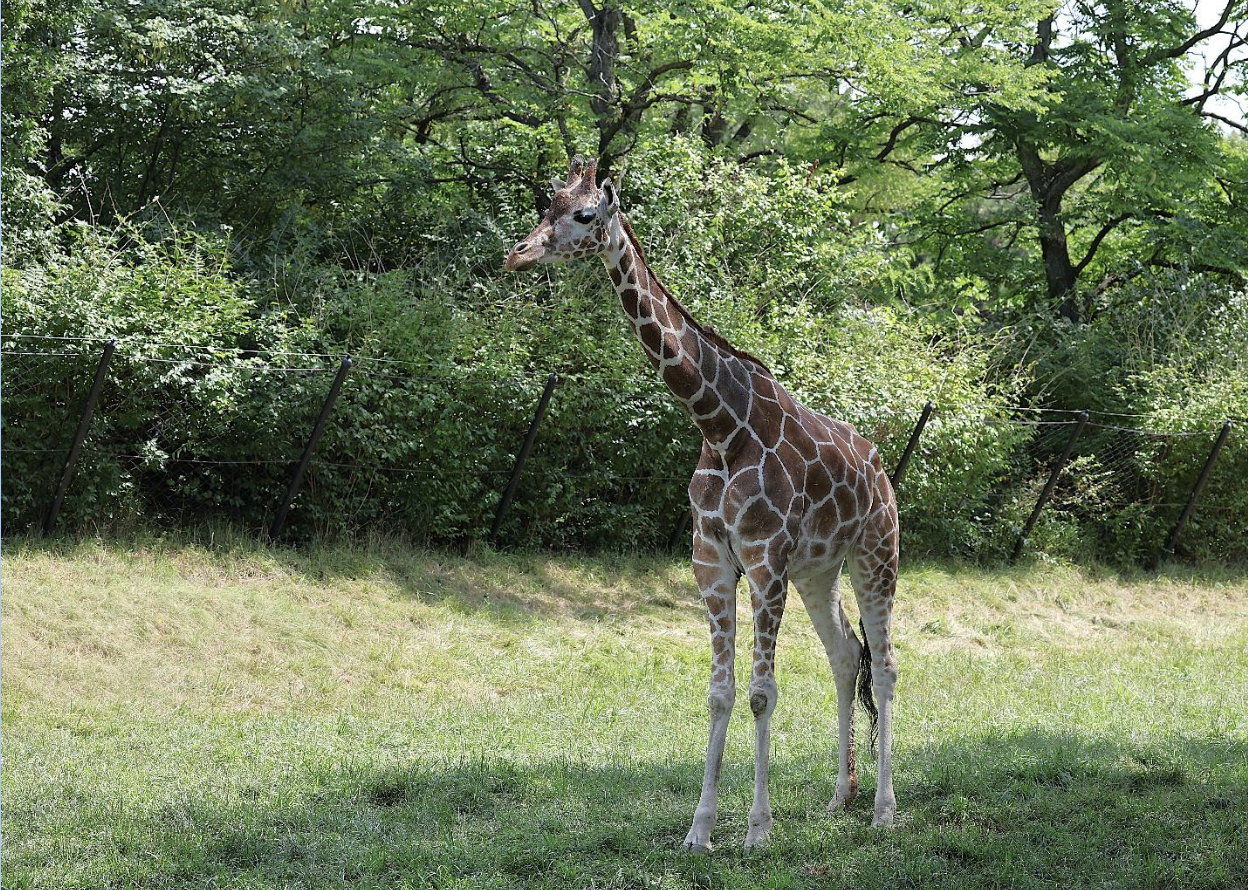
Visit Schönbrunn Zoo, the world's oldest continuously operating zoo, set within the grounds of Schönbrunn Palace, where centuries of history meet modern conservation and beloved animals like giraffes
Read article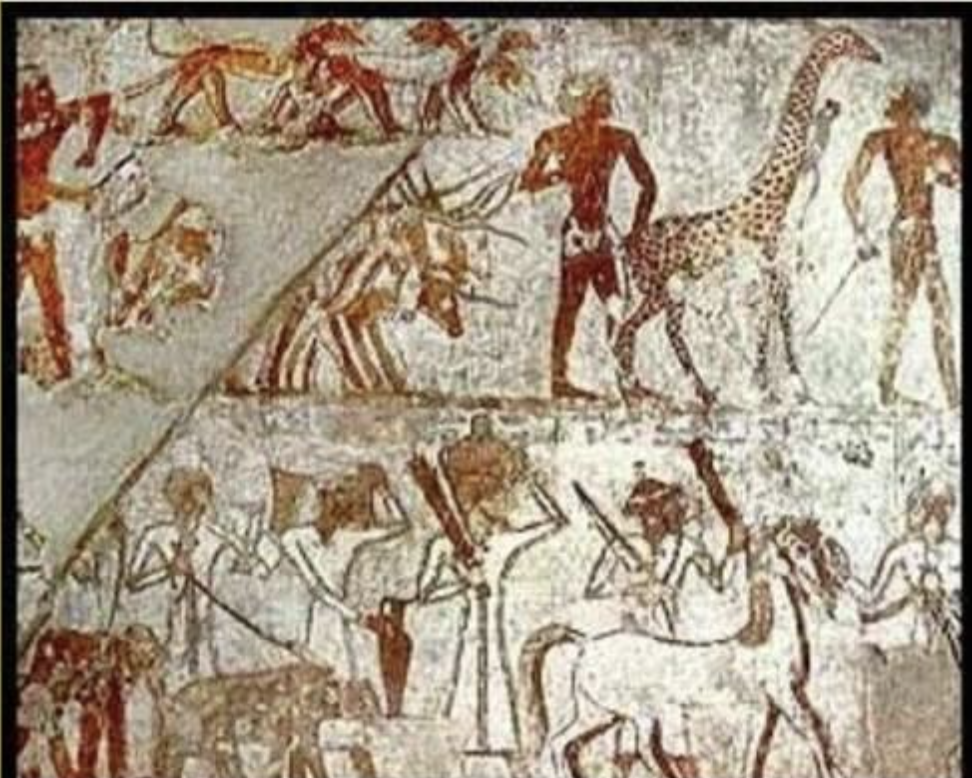
Nature & Wildlife
Where Wildlife Inspires – Egypt's Zoos
Explore the history and charm of Egypt's zoos, including the historic Giza Zoo, home to giraffes and a wide range of species, and discover their growing role in conservation and education.
Read article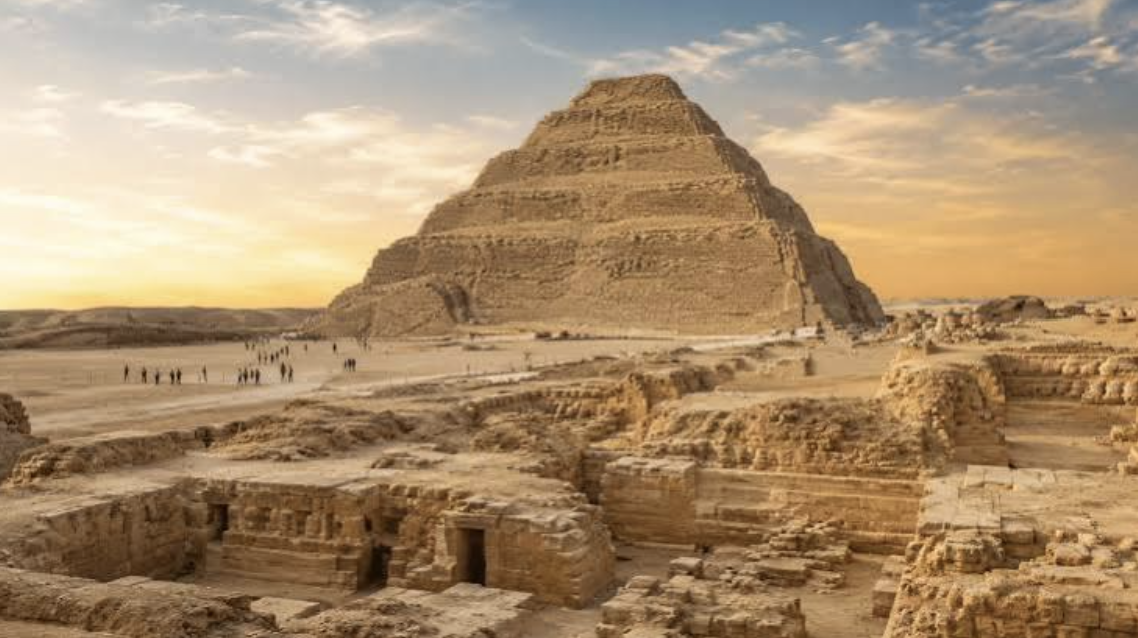
History
In the Footsteps of the Pharaohs – Discover Saqqara
Explore Saqqara, home to the Step Pyramid of Djoser, the oldest surviving stone pyramid in the world, and one of Egypt's most significant archaeological sites near Cairo.
Read article